What not to eat when pregnant
Knowing which foods to avoid in pregnancy is as important as knowing which foods to eat plenty of. The majority of foods on the list below should be avoided because they increase your risk of food poisoning during pregnancy. Right now, food safety should be a priority which is why most mums avoid the following foods altogether, so as not to put themselves or their babies at risk:
- Raw and undercooked eggs and foods likely to be made with them such as home-made mousses and ice cream. Cook eggs until they’re hard.
- Very rare or undercooked meat and fish – ensure fish and meat is cooked through with no pink bits left.
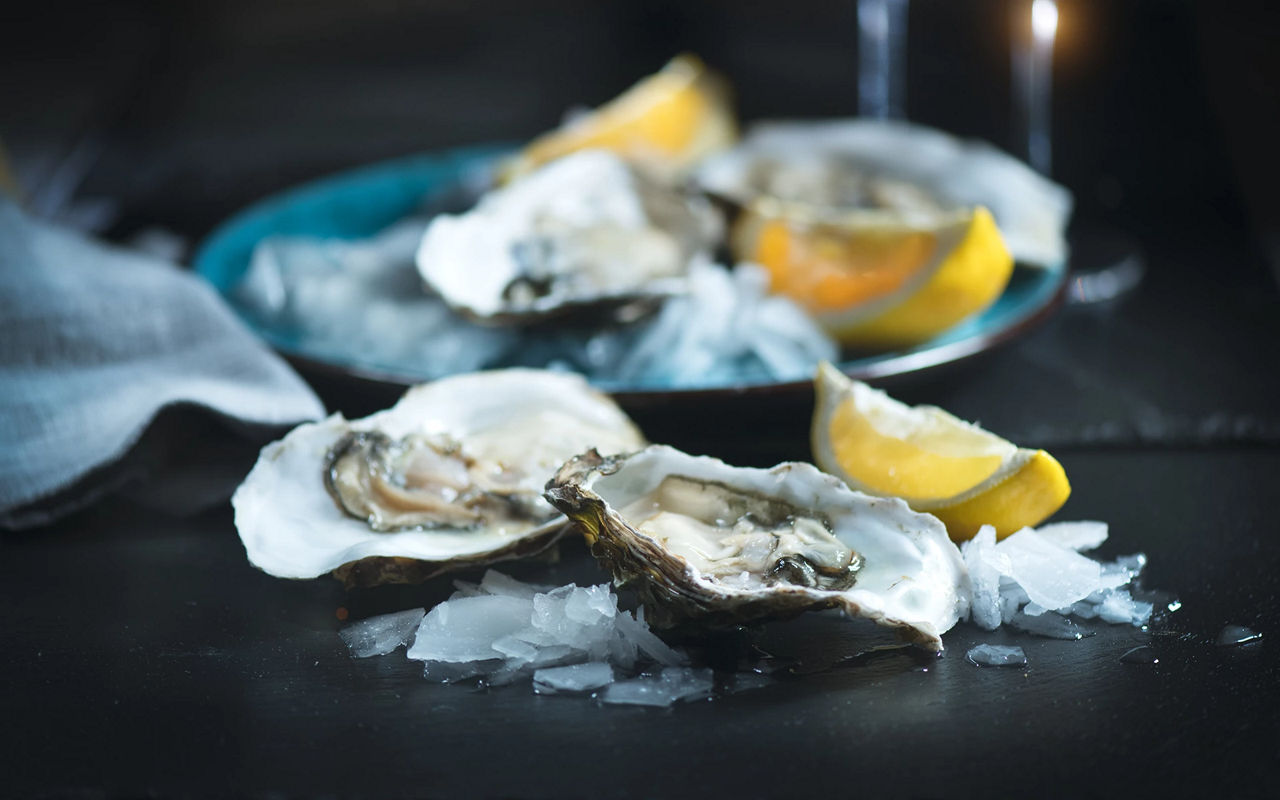
- Raw fish - avoid sushi, smoked salmon and oysters.
- Raw or cured meat such as steak tartare or parma ham.
- Unpasteurised milk, yogurt or cheese including soft cheeses like brie, camembert, or blue veined cheeses. Pasteurised cheeses such as cheddar, double gloucester and cream or cottage cheese are fine but, to be on the safe side, always check the label to ensure they’re pasteurised.
- Pre-prepared foods such as potato salad or coleslaw which can be a potential source of listeria. The mayonnaise they’re mixed with may contain raw egg.
- Swordfish, marlin and shark can contain potentially unsafe levels of mercury which can damage your baby’s developing nervous system. Tuna also contains mercury, so eat no more than four medium-size cans (140g drained weight, per can) or two fresh steaks (up to 170g raw weight, per steak) a week.
- Liver and products made from it, such as liver pâté, are also best avoided completely as they can have excessive amounts of vitamin A which may harm your baby.
Nuts
Peanuts have, in the past, been a source of debate but after a review of scientific evidence, government guidelines have changed; it is now considered safe to eat peanuts or foods containing peanuts during pregnancy or while breastfeeding even if you have a family history of allergies. This is because there is no clear evidence that eating or not eating peanuts during pregnancy or whilst breastfeeding influences the chances of a child developing a peanut allergy.
Food hygiene
Safe preparation of food is key. Wash your hands before and after preparing food, and clean vegetables thoroughly. Always check that any ready meals, reheated food or restaurant dishes are piping hot all the way through before you eat them - don’t be afraid to send dishes back if this isn’t the case.
Alcohol
Excessive alcohol intake during pregnancy can seriously affect your baby's development. When you drink, alcohol reaches your baby through the placenta, which is why it's always best to play on the safe side and avoid it altogether during pregnancy. If you choose to have an alcoholic drink, then you should not have more than 1 to 2 units - which is the equivalent to ½- 1 small glass of wine - more than once or twice a week and you should not get drunk.
If you’re in the habit of pouring a glass of wine to help you relax at the end of the day, there are plenty of healthier non-alcoholic alternatives. Running a hot bath, reading a book or taking some gentle exercise can help you to relax and are beneficial activities that can easily become part of your daily routine in place of alcohol.
Call on our expertise
If you’ve got a question about any aspect of your preganancy diet, our team of experienced mums and a midwife can help you find the answers. Call them on 0800 996 1000, or chat to them online through our one-to-one confidential instant messaging service, Live Chat, available Monday to Friday 8am to 8pm.

Can i eat seafoods?
16 July 2010 16:22